

There have been seasons of my life both at work and in my personal life where I genuinely felt like I had no friends. No one who really got me. No one I felt truly connected to. On the job, I’d sit in meetings surrounded by people and still feel completely alone. In my personal life, I’d be with people I’d known for years and still feel like I was wearing a mask just to keep the peace. I was physically present but emotionally elsewhere.
What I didn’t realize at the time and what took me years of inner work to understand is that feeling of loneliness wasn’t a sign that something was wrong with me. It was a signal that I was outgrowing the environment I was in.
“Loneliness isn’t always emptiness. Sometimes it’s the space between who you were and who you’re becoming.”
We live in a world that celebrates popularity — followers, likes, social circles. But what about the people who don’t move in groups? As well as the ones who choose solitude, not out of sadness, but out of self awareness? What I’ve found is this: people who don’t have friends or who choose not to are often the most emotionally intelligent, self aware, and unshakable people in the room. They’re not broken. They’re built different.
Here are five traits that explain exactly why.
| ✨ Before you keep reading — what’s your Growth Archetype? Take the free Selfful Maven Personal Growth Assessment and discover the mindset patterns, emotional blocks, and strengths that are shaping your life right now. ➡ Take the Free Quiz |
5 Traits of People Who Have No Friends (That Most People Miss)
1. They Are Internally Validated
People without large friend groups have typically stopped outsourcing their worth to others. They don’t contort themselves to fit in. They’ve outgrown performative friendships and the exhausting act of being someone they’re not just to be accepted. They know who they are and they value that authenticity above belonging. If they choose to spend time with someone, it’s never out of loneliness. It comes from a place of alignment, not lack. They would rather feel whole alone than feel like half of themselves with others.
2. They Are Deep Thinkers
Solitude doesn’t scare these people, it fuels them. Being alone actually fills their cup. You’ll find them journaling in the mornings, taking long walks by themselves, listening far more than they speak. They’re not antisocial. They’re anti-surface-level. They’d rather sit with a difficult question than make hollow small talk. They crave depth, not noise.
3. They Have Strong Boundaries
Not having friends isn’t always a tragedy. Sometimes it’s a boundary win. These are people who have walked away from drama, negativity, toxic dynamics, and dead energy. They’ve learned to detox from people who drain them. They value their own peace over popularity; because they’ve learned, often the hard way, that you cannot heal in the same environment that broke you.
4. They Are Hyper-Intuitive
These people read energy better than almost anyone else. They walk into a room and feel everything; the fake smiles, the unspoken resentments, the subtle shifts in energy, the people who are performing a version of themselves that isn’t real. They’re not paranoid. They’re perceptive. They see what others miss and feel what others ignore. So they’re not standoffish; they’re protective. As a result they guard their energy because they know how deeply they absorb everything around them.
5. They Are Evolving Faster Than Their Environment
Some people lose friendships because of toxicity. And others may lose friends because they are transforming. These people are often moving through identity shifts, emotional healing, and new standards faster than the people around them can keep up with. And that’s okay. Growth requires you to leave some things and some people behind. Not out of arrogance, but out of alignment. These people are not afraid to outgrow an environment if it means getting closer to who they’re truly meant to be.
“You’re not hard to love. You’re just hard to manipulate.”
Why You Feel This Way
The root of feeling friendless especially at work or in social settings is often deeper than it appears on the surface. For me, it started in childhood. Growing up in an environment where I wasn’t always affirmed or celebrated for who I truly was, I developed a habit of shrinking myself. Of performing. Of being whoever the room needed me to be so that I could belong.
The problem? You can’t keep that up forever. And as I began doing the inner work — accepting myself, healing old wounds, building genuine self worth I started realizing that the environments I was in no longer fit who I was becoming. The workplace felt draining. The social circles felt hollow. Not because those people were bad, but because I had changed and the old environments were no longer aligned with the new version of me I was building.
That’s the psychological insight most people miss: when your internal world shifts, your external world will inevitably feel out of place. That discomfort isn’t a problem. It’s a compass.
The Uncomfortable Truth Nobody Talks About
Here it is: your environment is a direct reflection of your internal world. The relationships you’re in, the workplace you’re in, the friendships you’ve settled for all of it mirrors the thoughts and beliefs you hold about yourself. That’s not a judgment. That’s actually the most empowering thing you can hear because it means you have the power to change it.
When I started accepting myself — truly, not performatively — my self worth skyrocketed. My confidence grew. And naturally, I stopped tolerating environments that were out of alignment with who I was becoming.
“You cannot heal in the same environment that broke you.”
I realized I wasn’t a victim of my circumstances. I was the creator of them. And once I owned that, everything began to shift.
The Identity Shift That Changes Everything
The shift isn’t about finding better friends. It’s about becoming the person who attracts them. It starts with deciding clearly and unapologetically that you are valuable. That you are worthy of real relationships, deep connections, and environments that honor who you are. That you have something meaningful to offer the world.
It also means releasing the identity of someone who needs to perform, shrink, or pretend in order to belong. You are not behind nor are you broken. You are simply between versions of yourself.
Practical Steps to Find Your People and Your Place
- Start with radical self-acceptance.
Accept where you are at work, in your social life, in your growth journey. Stop fighting your current reality and start learning from it. The loneliness you feel right now is pointing you somewhere.
- Stop seeking external validation.
Your worth is not determined by how many people invite you out, follow you online, or include you in the group chat. Validate yourself first. Everything else flows from that.
- Embrace the transitions.
As you grow, some people will naturally fall away. Some coworkers won’t understand you. Some old friendships will fade. That’s not failure. That’s evolution. Trust the process and keep moving.
- Align your actions and environment to who you’re becoming.
Start doing things that excite you. Build skills in areas that light you up. Put yourself in rooms where people share your interests and your values. Your tribe isn’t lost. They’re just in different rooms than the ones you’ve been standing in.
My Story: From Isolated to Aligned
For years, I worked in the IT field. On the surface, I looked put together. However inside, I felt increasingly disconnected from my coworkers, from my company’s mission, from the people in my personal life. As I began doing the real inner work; accepting my needs, affirming my worth, healing old wounds. I noticed something happening. The things and people I’d once tolerated started feeling unbearable. Not because they changed, but because I did.
I started pursuing things outside of work that matched my actual passions. I built skills in areas that brought me genuine excitement. And slowly, I began meeting people who were moving in the same direction I was. Looking back, I see it clearly now: those seasons of feeling friendless weren’t punishments. They were preparation. They were God’s or the universe’s way of creating the space I needed to become who I’m supposed to be.
We all go through little deaths of ourselves before we can become who we’re meant to be. The periods of aloneness aren’t the end of the story. They’re the in between chapters.
“You’re not wasting your life alone. You’re making room for the right people to arrive.”
What Life Looks Like on the Other Side
When you do this work; commit to self acceptance, release the need for external validation, and align your life with who you’re truly becoming something remarkable happens. You stop feeling lonely in a room full of people, because you’re no longer performing for the room. Consequently you start attracting relationships that feel effortless, because they’re built on authenticity instead of need and you wake up feeling purposeful. Valued. Respected. Fully yourself. That’s not a fantasy. That’s what’s available on the other side of this work.
A Resource That Supported My Growth
📖 Radical Acceptance by Tara Brach
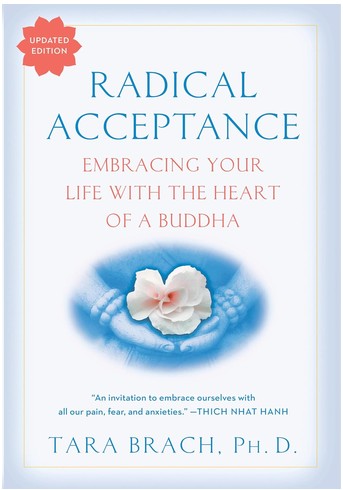
One of the most transformative books in my personal growth journey was ‘Radical Acceptance’ by Tara Brach. I’ve included an affiliate link, which means I may earn a small commission at no cost to you.
If you’ve ever felt like you weren’t enough at work, in relationships, in life this book meets you exactly where you are. Brach introduces the concept of the “trance of unworthiness” a deeply ingrained belief that we are somehow flawed or not enough. It’s the internal narrative that keeps so many of us from fully accepting ourselves or opening up to others.
Through a blend of Buddhist wisdom and Western psychology, the book teaches you how to meet your own pain with compassion rather than judgment and how that shift in self relationship becomes the foundation for everything else. I read this during one of the loneliest seasons of my life, and it helped me see that accepting where I was rather than fighting it was the first step to actually changing it.
🛒 [Get Radical Acceptance on Amazon]
| Ready to Understand Yourself More Deeply? If this post resonated with you, the next step is getting clear on your own Growth Archetype — the unique patterns, strengths, and blocks shaping your journey right now. Take the free Selfful Maven Personal Growth Assessment and start your next chapter with clarity. ➡ Take the Free Quiz |
Final Thoughts
If you’ve ever felt like you don’t fit in at work, in your social circle, or just in the world in general I want you to hear this clearly: that feeling is not your flaw. It is your signal. It means you have grown beyond a version of yourself that no longer serves you, and that the next chapter of your life is asking you to show up differently. The people who walk alone are not lost. They are often the most self aware, the most emotionally grounded, and the most purposeful people in the room. They’re just waiting for the right environment to catch up with who they’ve become.
So keep doing the inner work. Keep choosing yourself. Keep moving toward the version of your life that actually fits. Your presence is not something to be wasted on people or places that can’t honor it. You are not too much nor hard to love. You are simply someone who refuses to settle and that is one of the rarest, most powerful things a person can be.
Frequently Asked Questions
Yes — and more common than social media makes it seem. Many people go through extended seasons of life where they feel deeply disconnected. Research consistently shows that loneliness is widespread, particularly among adults navigating major life transitions. Not having friends doesn’t mean something is wrong with you. It often means you’re between chapters.
Workplace loneliness is often a sign of misalignment between your values and your environment, between who you’re becoming and where you currently are. It can also stem from low self-worth or a habit of performing rather than being authentic. When you begin to heal internally, you naturally stop tolerating environments that don’t fit.
Preferring solitude is not the same as being antisocial or broken. Many deeply self-aware people recharge in solitude, think more clearly alone, and are highly selective about who they spend their energy on. If solitude feels nourishing rather than painful, that’s a sign of emotional intelligence not a problem to fix.
The most effective path is alignment, not effort. Start pursuing activities, communities, and environments that genuinely match your values and interests. Build skills in areas that excite you. When you show up as your authentic self in spaces that reflect who you’re becoming, you naturally attract people who match that frequency.
Absolutely. Many people experience profound loneliness during periods of deep personal transformation when they’re outgrowing old environments, healing from the past, or shifting their identity. That loneliness isn’t a dead end. It’s a transition. On the other side of it are relationships and environments that actually fit who you’ve become.